How Diabetes Affects Foot Health

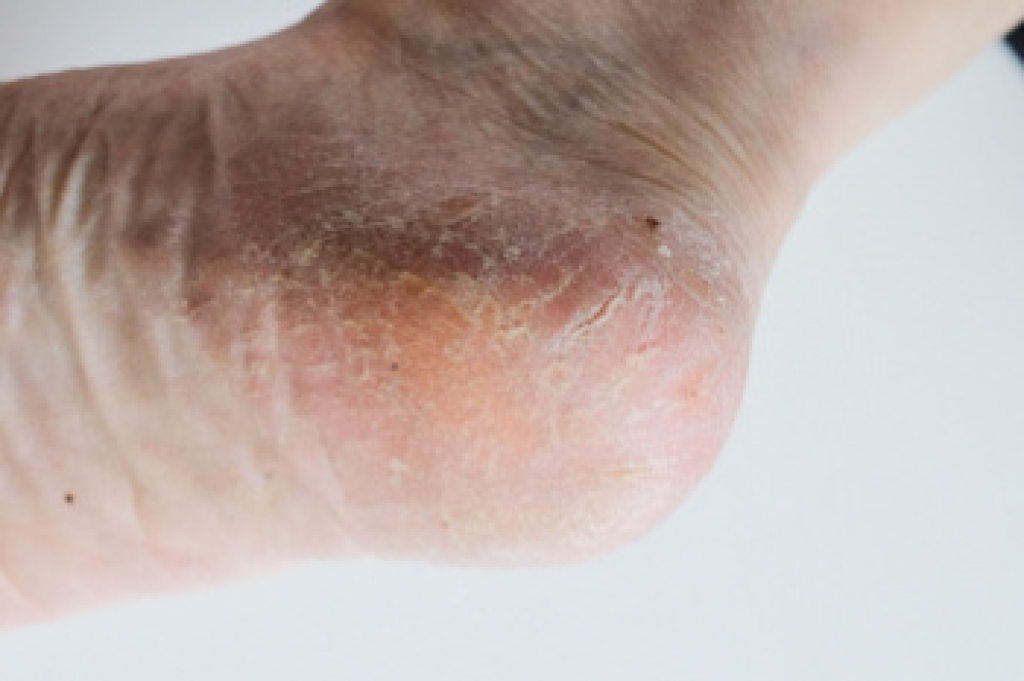
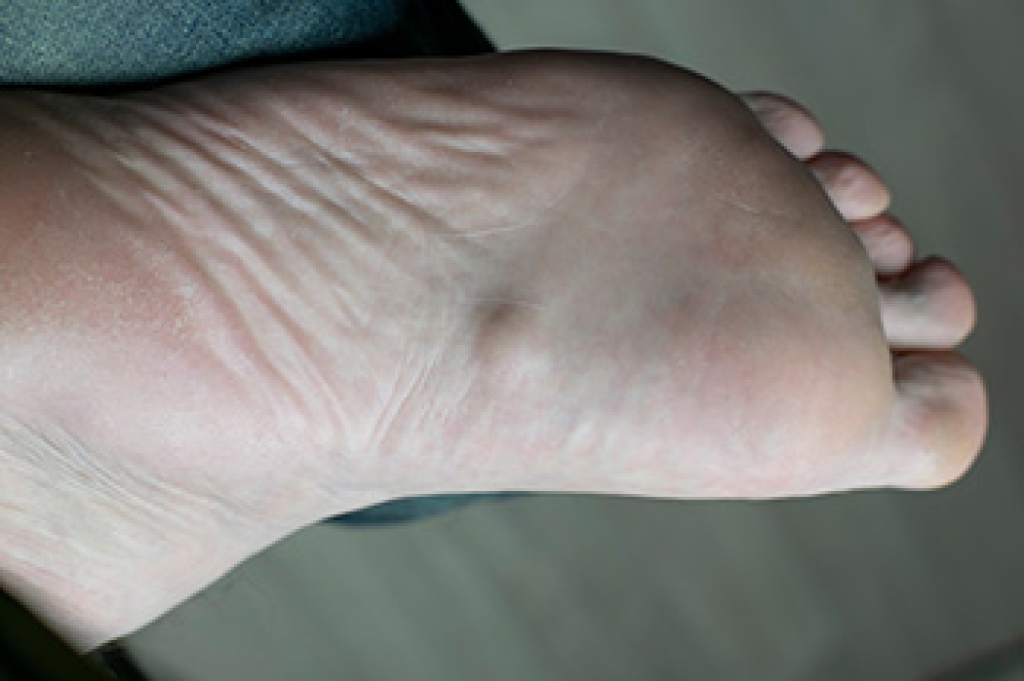
Diabetes can lead to serious foot problems by affecting circulation and nerve function. Reduced blood flow may slow healing, while peripheral neuropathy can cause numbness, making it difficult to feel injuries. This increases the risk of unnoticed cuts, ulcers, and infections. Risk factors include poor blood sugar control, long-term diabetes, and improper footwear. Daily foot checks and proper foot hygiene are essential for prevention. A podiatrist can monitor changes, treat wounds early, and provide guidance on protective footwear. If you have diabetes and notice changes in your feet, it is strongly suggested that you are under the care of a podiatrist who can help you to manage this serious condition.

Diabetic foot care is important in preventing foot ailments such as ulcers. If you are suffering from diabetes or have any other concerns about your feet, contact Stephen Boykins, DPM from SoCal Podiatry, P.C.. Our doctor can provide the care you need to keep you pain-free and on your feet.

Diabetic Foot Care

Diabetes affects millions of people every year. The condition can damage blood vessels in many parts of the body, especially the feet. Because of this, taking care of your feet is essential if you have diabetes, and having a podiatrist help monitor your foot health is highly recommended.

The Importance of Caring for Your Feet

  • Routinely inspect your feet for bruises or sores.
  • Wear socks that fit your feet comfortably.
  • Wear comfortable shoes that provide adequate support.

Patients with diabetes should have their doctor monitor their blood levels, as blood sugar levels play such a huge role in diabetic care. Monitoring these levels on a regular basis is highly advised.

It is always best to inform your healthcare professional of any concerns you may have regarding your feet, especially for diabetic patients. Early treatment and routine foot examinations are keys to maintaining proper health, especially because severe complications can arise if proper treatment is not applied.

If you have any questions, please feel free to contact our offices located in Downey and Moreno Valley, CA . We offer the newest diagnostic and treatment technologies for all your foot care needs.

Read more about How to Care for Diabetic Foot

It's Time for Beautiful Feet

You don't need an excuse to have beautiful nails. Step outside without worrying about the appearance of your feet.

Understanding High Arches and Foot Pain

A high arch is a condition where the arch of the foot is raised more than normal, placing excessive pressure on certain areas. This imbalance can lead to foot pain, because stress is concentrated on the section between the ankle and toes that affects stability and shock absorption. High arches may be caused by inherited bone structure or underlying nerve conditions that alter muscle function. Individuals often experience difficulty finding comfortable, supportive shoes. Other risk factors include family history, neurological disorders, and improper footwear. A podiatrist can evaluate foot structure, recommend custom orthotics, and provide guidance on proper footwear. If you have high arches that are causing discomfort, it is suggested that you consult a podiatrist who can provide effective relief and management tips.

Foot Pain

Foot pain can be extremely painful and debilitating. If you have a foot pain, consult with Stephen Boykins, DPM from SoCal Podiatry, P.C.. Our doctor will assess your condition and provide you with quality foot and ankle treatment.

Causes

Foot pain is a very broad condition that could be caused by one or more ailments. The most common include:

  • Bunions
  • Hammertoes
  • Plantar Fasciitis
  • Bone Spurs
  • Corns
  • Tarsal Tunnel Syndrome
  • Ingrown Toenails
  • Arthritis (such as Gout, Rheumatoid, and Osteoarthritis)
  • Flat Feet
  • Injury (from stress fractures, broken toe, foot, ankle, Achilles tendon ruptures, and sprains)
  • And more

Diagnosis

To figure out the cause of foot pain, podiatrists utilize several different methods. This can range from simple visual inspections and sensation tests to X-rays and MRI scans. Prior medical history, family medical history, and any recent physical traumatic events will all be taken into consideration for a proper diagnosis.

Treatment

Treatment depends upon the cause of the foot pain. Whether it is resting, staying off the foot, or having surgery; podiatrists have a number of treatment options available for foot pain.

If you have any questions, please feel free to contact our offices located in Downey and Moreno Valley, CA . We offer the newest diagnostic and treatment technologies for all your foot care needs.

Read more about Foot Pain

Causes of Recurrent Ankle Sprains

Recurrent ankle sprains occur when the ankle repeatedly twists or rolls. This is often due to weakened ligaments that did not fully heal after a previous injury. This can develop from inadequate rehabilitation, poor balance, or returning to activity too quickly. Symptoms include ongoing pain, swelling, instability, and a frequent feeling that the ankle may give way. Risk factors include participation in sports, uneven surfaces, improper footwear, and reduced strength or coordination. A podiatrist can evaluate ankle stability, assess gait, and recommend treatment. Options include bracing, custom orthotics, and strengthening exercises to restore support and function. Early care is essential to prevent further damage and long-term complications. If you have difficulty with ankle sprains, it is suggested that you consult a podiatrist who can offer effective treatment and rehabilitation tips.

Although ankle sprains are common, they aren’t always minor injuries. If you need your ankle injury looked at, contact Stephen Boykins, DPM from SoCal Podiatry, P.C.. Our doctor can provide the care you need to keep you pain-free and on your feet.

How Does an Ankle Sprain Occur?

Ankle sprains are the result of a tear in the ligaments within the ankle. These injuries may happen when you make a rapid shifting movement while your foot is planted. A less common way to sprain your ankle is when your ankle rolls inward while your foot turns outward.

What Are the Symptoms?

  • Pain at the sight of the tear
  • Bruising/Swelling
  • Ankle area is tender to touch
  • In severe cases, may hear/feel something tear
  • Skin discoloration

Preventing a Sprain

  • Wearing appropriate shoes for the occasion
  • Stretching before exercises and sports
  • Knowing your limits

Treatment of a Sprain

In many cases, the RICE method (Rest, Ice, Compression, and Elevate) is used to treat ankle sprains. However, you should see a podiatrist to see which treatment option would work best with your injury. In severe cases, surgery may be required.

It is important to ask your doctor about rehab options after you receive treatment for your injury. Stretching, strength training, and balance exercises may help the ankle heal while also preventing further injury.

If you have any questions, please feel free to contact our offices located in Downey and Moreno Valley, CA . We offer the newest diagnostic and treatment technologies for all your foot care needs.

Read more about Three Grades of Ankle Sprains

Reasons for Cracked Heels

Cracked heels develop when the skin on the heel becomes dry, thickened, and splits, sometimes leading to pain or bleeding. This often happens when the skin loses moisture and elasticity. Causes include diet deficiencies that affect skin health, use of harsh soaps that strip natural oils, and exposure to cold weather that dries the skin. Additional factors such as being overweight and walking or standing for long periods of time can increase pressure on the heels and worsen cracking. Risk factors include poor hydration, inadequate foot care, and wearing open back shoes. A podiatrist can help by treating damaged skin, recommending proper care, and preventing infection. If you have painful or persistent cracked heels, it is suggested that you consult a podiatrist who can offer appropriate relief tips, which may include prescribed medication.

Cracked heels are unsightly and can cause further damage to your shoes and feet. If you have any concerns, contact Stephen Boykins, DPM from SoCal Podiatry, P.C.. Our doctor can provide the care you need to keep you pain-free and on your feet.

Cracked Heels

Cracked heels appear unappealing and can make it harder for you walk around in sandals. Aside from looking unpleasant, cracked heels can also tear stockings, socks, and wear out your shoes. There are several methods to help restore a cracked heel and prevent further damage.

How Do You Get Them?

Dry skin is the number one culprit in creating cracked heels. Many athletes, walkers, joggers, and even swimmers suffer from cracked heels. Age and skin oil production play a role to getting cracked heels as well.

Promote Healing

Over the counter medicines can help, especially for those that need instant relief or who suffer from chronic dry feet.

Wear Socks – Wearing socks with medicated creams helps lock in moisture.

Moisturizers – Applying both day and night will help alleviate dryness which causes cracking.

Pumice Stones – These exfoliate and remove dead skin, which allows for smoother moisturizer application and better absorption into the skin. 

Change in Diet

Eating healthy with a well-balanced diet will give the skin a fresh and radiant look. Your body responds to the kinds of food you ingest. Omega-3 fatty acids and zinc supplements can also revitalize skin tissue.

Most importantly, seek professional help if unsure how to proceed in treating cracked heels. A podiatrist will help you with any questions or information needed. 

If you have any questions, please feel free to contact our offices located in Downey and Moreno Valley, CA . We offer the newest diagnostic and treatment technologies for all your foot care needs.

Read more about Solutions for Cracked Heels

Connect With Us