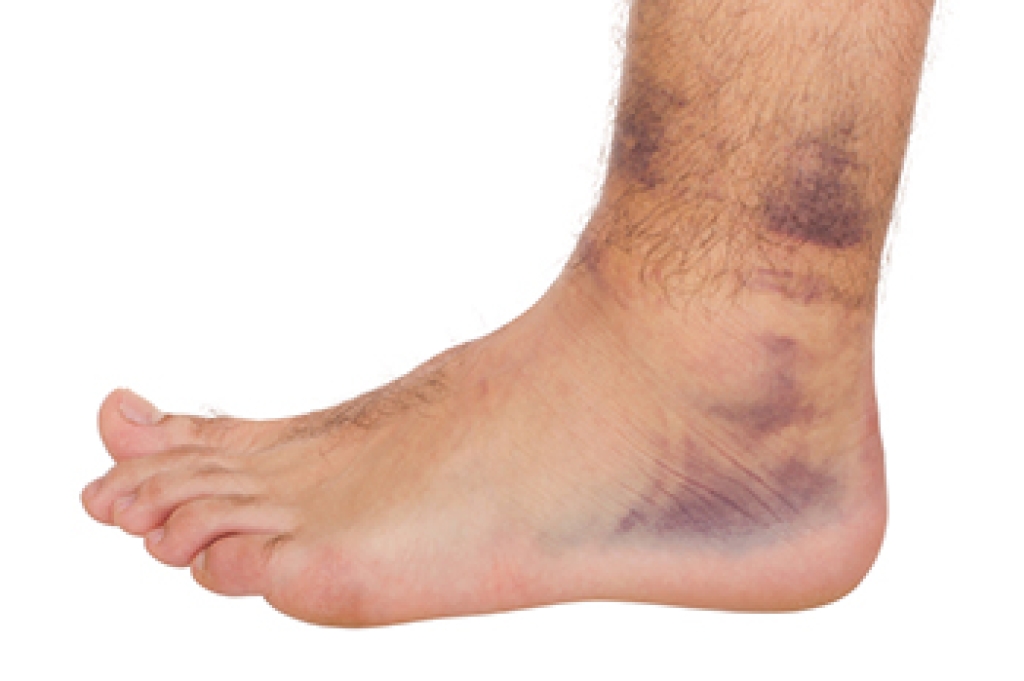
Understanding What Causes Stress Fractures

A stress fracture is a tiny crack in a bone caused by repeated pressure. In the foot, these injuries often affect the long bones that connect the toes to the middle of the foot. These bones absorb force when you push while walking or running. Pain usually begins gradually and becomes stronger with activity. The sore area may feel tender when touched. Swelling of the foot or bruising can develop. Unlike a sudden break caused by an accident, a stress fracture can develop without one clear injury. Daily movement may become painful.

A sudden change in activity is a leading cause of stress fractures. Running farther than usual or increasing exercise days can place more pressure on bones than they can handle. People who rarely walk far can also develop an injury after a busy vacation. Uneven ground adds to the risk. Changes in how the foot moves can increase risk when a bunion changes weight distribution. Shoes that lack proper support can also affect how the foot absorbs impact. A podiatrist can examine your walking pattern and identify factors contributing to the injury.

Treatment aims to protect the injured bone while it heals. A podiatrist examines the painful area and orders imaging to help confirm a stress fracture. Treatment options include a protective walking boot, crutches, or custom shoe inserts to help reduce pressure on the affected bone. A podiatrist also evaluates your shoes and may recommend a stiff-soled design that limits painful bending. Follow-up visits help track healing and guide a safe return to activity. Continuing to push through pain can delay recovery. If you have symptoms of a foot stress fracture, it is suggested that you schedule an appointment with a podiatrist for diagnosis and treatment.

Stress fractures occur when there is a tiny crack within a bone. To learn more, contact Stephen Boykins, DPM from SoCal Podiatry, P.C.. Our doctor can provide the care you need to keep you pain free and on your feet.

How Are They Caused?

Stress fractures are the result of repetitive force being placed on the bone. Since the lower leg and feet often carry most of the body’s weight, stress fractures are likely to occur in these areas. If you rush into a new exercise, you are more likely to develop a stress fracture since you are starting too much, too soon.  Pain resulting from stress fractures may go unnoticed at first, however it may start to worsen over time.

Risk Factors

  • Gender – They are more commonly found in women compared to men.
  • Foot Problems – People with unusual arches in their feet are more likely to develop stress fractures.
  • Certain Sports – Dancers, gymnasts, tennis players, runners, and basketball players are more likely to develop stress fractures.
  • Lack of Nutrients – A lack of vitamin D and calcium may weaken the bones and make you more prone to stress fractures
  • Weak Bones – Osteoporosis can weaken the bones therefore resulting in stress fractures

Stress fractures do not always heal properly, so it is important that you seek help from a podiatrist if you suspect you may have one. Ignoring your stress fracture may cause it to worsen, and you may develop chronic pain as well as additional fractures.

If you have any questions please contact our offices located in Downey and Moreno Valley, CA . We offer the newest diagnostic and treatment technologies for all your foot and ankle needs.


Read more about Stress Fractures of the Foot and Ankle

How Bunions Affect Your Feet

A bunion is a foot deformity that develops when the big toe gradually leans toward the smaller toes. As the toe shifts, the joint at its base begins to stick outward, creating a noticeable bump. Bunions do not always cause symptoms, but they can become painful as the foot changes. Discomfort may develop around the big-toe joint, beneath the ball of the foot, or in nearby toes. The joint can also become red, swollen, and harder to move. Bunions may also place pressure on nearby toes and contribute to changes in their position.


Several factors may increase the likelihood of developing bunions. Genetics can play a role because some people may inherit weaker tendons and ligaments that affect foot stability. Flat feet and certain joint diseases may also increase the risk. Tight or pointed shoes are not considered the main cause of bunions, but they can increase pressure on the toes and make symptoms worse. As the deformity progresses, the front of the foot may become wider. Some people eventually experience increasing pain or difficulty walking, while others continue to have only mild symptoms.


A podiatrist can evaluate a bunion and determine how much the position of the big toe has changed. The examination may include observing the foot while standing and walking. A weight-bearing X-ray can provide a clearer view of the deformity and show the position of the bones. Treatment depends on symptoms, the degree of deformity, and other medical conditions. Professional nonsurgical care may help reduce discomfort, but it does not permanently correct the misalignment. When a bunion causes severe pain and other treatment has not helped, surgery may be considered to correct the position of the toe. If a bunion is causing persistent foot pain or difficulty walking, it is suggested that you consult a podiatrist for an evaluation and appropriate treatment options.

If you are suffering from bunions, contact Stephen Boykins, DPM of SoCal Podiatry, P.C.. Our doctor can provide the care you need to keep you pain-free and on your feet.

What Is a Bunion?

A bunion is formed of swollen tissue or an enlargement of boney growth, usually located at the base joint of the toe that connects to the foot. The swelling occurs due to the bones in the big toe shifting inward, which impacts the other toes of the foot. This causes the area around the base of the big toe to become inflamed and painful.

Why Do Bunions Form?

Genetics – Susceptibility to bunions are often hereditary

Stress on the feet – Poorly fitted and uncomfortable footwear that places stress on feet, such as heels, can worsen existing bunions

How Are Bunions Diagnosed?

Podiatrists often perform two tests – blood tests and x-rays – when trying to diagnose bunions, especially in the early stages of development. Blood tests help determine if the foot pain is being caused by something else, such as arthritis, while x-rays provide a clear picture of your bone structure to your provider.

How Are Bunions Treated?

  • Refrain from wearing heels or similar shoes that cause discomfort
  • Select wider shoes that can provide more comfort and reduce pain
  • Anti-inflammatory and pain management drugs
  • Orthotics or foot inserts
  • Surgery

If you have any questions, please feel free to contact our offices located in Downey and Moreno Valley, CA . We offer the newest diagnostic and treatment technologies for all your foot care needs.

Read more about Bunions

Proper Use of Assistive Devices for Safer Walking

Foot or ankle injuries can make each step painful and unsteady. A cane, crutches, or a walker can reduce pressure on the injured area while supporting safer movement. These devices are used after fractures, severe sprains, and tendon injuries. The right choice depends on the injury and how much weight the patient can safely place on the affected foot. Poor fit or technique can place extra stress on the injury and increase the risk of falling.

Proper fit helps protect the foot or ankle while it heals. Cane and walker handles usually reach the wrist crease when a patient stands upright, with the elbows slightly bent. Crutches should sit below the armpits, and body weight should rest on the hands. A cane is held on the side opposite the injured foot or ankle. When using a walker, patients should place it a short distance ahead before stepping into its center. Rubber tips should be checked for wear because damaged parts can slip. Patients should follow instructions about whether they can place full, partial, or no weight on the injured side.

A podiatrist can examine the injured foot or ankle and assess balance. This evaluation helps determine which device provides the right level of support. The podiatrist can adjust its height, explain safe movement, and check whether shoes fit securely. Guidance can cover rising from a chair, managing stairs, and moving across uneven ground. New pain, swelling, or numbness can mean too much pressure is reaching the injury. Skin irritation can also develop where a device rubs against the body. A podiatrist can identify these problems and make adjustments that protect the injured area. Follow-up visits allow the podiatrist to check healing and decide whether the walking aid should still be used. If you need a cane, crutches, or a walker, it is suggested that you schedule an appointment with a podiatrist for guidance on proper use and adjustments.

If you are having discomfort in your feet and would like to try orthotics, contact Stephen Boykins, DPM from SoCal Podiatry, P.C.. Our doctor can provide the care you need to keep you pain-free and on your feet.

What Are Orthotics?

Orthotics are inserts you can place into your shoes to help with a variety of foot problems such as flat feet or foot pain. Orthotics provide relief and comfort for minor foot and heel pain but can’t correct serious biomechanical problems in your feet.

Over-the-Counter Inserts

Orthotics come in a wide variety of over-the-counter inserts that are used to treat foot pain, heel pain, and minor problems. For example, arch supports can be inserted into your shoes to help correct overarched or flat feet, while gel insoles are often used because they provide comfort and relief from foot and heel pain by alleviating pressure.

Prescription Orthotics

If over-the-counter inserts don’t work for you or if you have a more severe foot concern, it is possible to have your podiatrist prescribe custom orthotics. These high-quality inserts are designed to treat problems such as abnormal motion, plantar fasciitis, and severe forms of heel pain. They can even be used to help patients suffering from diabetes by treating foot ulcers and painful calluses and are usually molded to your feet individually, which allows them to provide full support and comfort.

If you are experiencing minor to severe foot or heel pain, it’s recommended to speak with your podiatrist about the possibilities of using orthotics. A podiatrist can determine which type of orthotic is right for you and allow you to take the first steps towards being pain-free.

If you have any questions, please feel free to contact our offices located in Downey and Moreno Valley, CA . We offer the newest diagnostic and treatment technologies for all your foot care needs.

Read more about Ankle Foot Orthotics for Athletes

Symptoms of Ankle Sprains

An ankle sprain happens when ligaments surrounding the ankle are stretched or torn beyond their range. The ankle joint helps connect the foot and lower leg while allowing movement during walking and activities. It also supports the weight of the body with every step. Symptoms of an ankle sprain can include pain, swelling, and difficulty walking. Some people may also feel weakness or instability when placing weight on the affected foot.

Ankle sprains commonly occur when the foot suddenly twists, rolls, or turns during movement. Stepping on an uneven surface can force the ankle into an awkward position. Falling and changes in direction can also increase the chance of injury. Risk factors include previous ankle sprains, poor balance, and footwear that does not provide adequate stability. A severe sprain may involve significant swelling or difficulty bearing weight and should be evaluated promptly.


A podiatrist will begin by asking how the injury happened and reviewing your symptoms. The ankle and foot are examined for tenderness, swelling, and instability. X-rays or other imaging tests may be recommended when a fracture or more serious injury is suspected. Treatment may include rest, compression, and activity changes. Depending on the injury, a podiatrist may recommend an ankle brace, or medication when appropriate. Follow-up visits can help monitor healing and determine when normal activity can safely resume.


Most mild ankle sprains improve with proper care, but returning to activity too quickly can increase the risk of another injury. Protecting the ankle during recovery and following podiatric guidance can support healing. Wearing stable shoes and being cautious on uneven surfaces may also help prevent future sprains. Ankle sprains are often painful and may cause difficulty in completing daily activities. If you have an ankle sprain, it is suggested that you consult a podiatrist for effective relief and treatment methods.

Although ankle sprains are common, they aren’t always minor injuries. If you need your ankle injury looked at, contact Stephen Boykins, DPM from SoCal Podiatry, P.C.. Our doctor can provide the care you need to keep you pain-free and on your feet.

How Does an Ankle Sprain Occur?

Ankle sprains are the result of a tear in the ligaments within the ankle. These injuries may happen when you make a rapid shifting movement while your foot is planted. A less common way to sprain your ankle is when your ankle rolls inward while your foot turns outward.

What Are the Symptoms?

  • Pain at the sight of the tear
  • Bruising/Swelling
  • Ankle area is tender to touch
  • In severe cases, may hear/feel something tear
  • Skin discoloration

Preventing a Sprain

  • Wearing appropriate shoes for the occasion
  • Stretching before exercises and sports
  • Knowing your limits

Treatment of a Sprain

In many cases, the RICE method (Rest, Ice, Compression, and Elevate) is used to treat ankle sprains. However, you should see a podiatrist to see which treatment option would work best with your injury. In severe cases, surgery may be required.

It is important to ask your doctor about rehab options after you receive treatment for your injury. Stretching, strength training, and balance exercises may help the ankle heal while also preventing further injury.

If you have any questions, please feel free to contact our offices located in Downey and Moreno Valley, CA . We offer the newest diagnostic and treatment technologies for all your foot care needs.

Read more about Ankle Sprains

We Can Treat Your Foot or Ankle Pain

Foot or ankle pain can negatively affect your day-to-day life and can occur due to several different conditions. Pain can also be an indicator of a more serious underlying condition, which is why you should seek professional help as soon as you notice any abnormalities in your feet.

Connect With Us