Foot Stretches for Stability and Strength

Foot stretching and strengthening exercises can help improve the way the feet support the body during standing, walking, and physical activity. The feet contain many small muscles that contribute to arch support, balance, and controlled movement. When these muscles become weak or underused, the feet may have difficulty maintaining stability. Short foot exercises are designed to strengthen the muscles that support the arches without requiring complicated equipment. Regular foot exercises may also help improve mobility and body awareness. People who spend long hours standing, participate in sports, or experience certain foot mechanics may benefit from adding simple strengthening exercises to a healthy foot-care routine.


One useful exercise is the short foot exercise, which focuses on gently drawing the ball of the foot toward the heel without curling the toes. This movement activates muscles that help stabilize the arch while keeping the foot relaxed. Another helpful technique is an independent toe lift. During this exercise, the big toe is lifted while the other toes remain down, followed by lifting the smaller toes while keeping the big toe down. Independent toe lifts can improve foot control and mobility by teaching the toes and smaller foot muscles to work separately. These exercises should be performed slowly and without forcing uncomfortable movement.


Strengthening the feet may improve stability during everyday activities because stronger arch-supporting muscles can help control how the foot contacts the ground. A podiatrist can assess foot structure, joint movement, muscle strength, and walking mechanics before recommending exercises. 


Consistency is important when developing stronger and more mobile feet. Short sessions performed regularly may be more useful than occasional intense workouts. Exercises should never cause sharp pain or significantly increase existing symptoms. If you want to learn more about foot stretches and strengthening exercises, it is suggested that you consult a podiatrist for an accurate evaluation and appropriate treatment recommendations.

Stretching the feet is a great way to prevent injuries. If you have any concerns with your feet consult with Stephen Boykins, DPM from SoCal Podiatry, P.C.. Our doctor will assess your condition and provide you with quality foot and ankle treatment.

Stretching the Feet

Being the backbone of the body, the feet carry your entire weight and can easily become overexerted, causing cramps and pain. As with any body part, stretching your feet can serve many benefits. From increasing flexibility to even providing some pain relief, be sure to give your feet a stretch from time to time. This is especially important for athletes or anyone performing aerobic exercises, but anyone experiencing foot pain or is on their feet constantly should also engage in this practice.

Great ways to stretch your feet:

  • Crossing one leg over the others and carefully pull your toes back. Do 10-20 repetitions and repeat the process for each foot
  • Face a wall with your arms out and hands flat against the wall. Step back with one foot and keep it flat on the floor while moving the other leg forward. Lean towards the wall until you feel a stretch. Hold for 30 seconds and perform 10 repetitions for each foot
  • Be sure not to overextend or push your limbs too hard or you could risk pulling or straining your muscle

Individuals who tend to their feet by regular stretching every day should be able to minimize foot pain and prevent new problems from arising.

If you have any questions please contact our offices located in Downey and Moreno Valley, CA . We offer the newest diagnostic and treatment technologies for all your foot and ankle needs.


Read more about How to Stretch Your Feet

The Role of Podiatry in Diabetic Limb Salvage

Diabetic limb salvage focuses on treating serious foot and lower-limb complications with the goal of preserving as much healthy tissue and function as possible. Diabetes can damage nerves and reduce circulation to the feet, making injuries harder to notice and slower to heal. A small wound can sometimes develop into a diabetic foot ulcer or serious infection. When these problems progress, tissue damage may place the foot or limb at risk. Limb-salvage care brings together careful wound management, infection treatment, and evaluation of blood flow. Early professional attention is important because timely treatment may improve healing and reduce the risk of limb loss.


Several factors can make diabetic foot wounds more difficult to treat. Nerve damage may reduce sensation, while poor circulation can limit the oxygen and nutrients needed for healing. Infection can further damage tissue and may spread if it is not treated promptly. A diabetic limb-salvage evaluation focuses on the wound and the overall condition of the foot. Depending on the situation, additional testing may be needed to evaluate circulation or determine whether infection has reached deeper tissues. More advanced cases may require coordinated care from multiple medical specialists to protect the patient’s health and preserve function.


A podiatrist plays an important role in diabetic limb salvage by identifying and treating foot problems before they become more severe. Podiatric care may include professional wound treatment, removal of damaged tissue, or methods to reduce pressure on vulnerable areas. A podiatrist can also monitor healing and work with vascular or other specialists when circulation problems require additional care. Treatment is based on the severity of the wound and the patient’s overall health. The goal is to control complications, support healing, and preserve mobility whenever possible. If you have diabetes and develop a non-healing wound, infection, or concerning changes in your foot, it is suggested that you consult a podiatrist for an evaluation and appropriate treatment options.

Diabetic Limb Salvage

Diabetic limb salvage can be an effective way in preventing the need for limb amputation. If you have a foot ulcer and diabetes, consult with Stephen Boykins, DPM from SoCal Podiatry, P.C.. Our doctor will assess your condition and provide you with quality foot and ankle treatment.

What Is Diabetic Limb Salvage?

Diabetic limb salvage is the attempt of saving a limb, such as the foot, that has an infected ulcer, from amputation. Podiatrists also try to make sure that there is enough function in the foot after the salvage that it is still usable. Those with diabetes experience poor blood circulation, which prevents proper healing of an ulcer. If the ulcer is left uncheck, it could become infected, which could result in the need for amputation.

Diabetes is the number one cause of non-traumatic amputations in the United States. Amputation has been found to lead to higher mortality rates. This translates into higher healthcare costs, and a reduced quality of life and mobility for amputees. Podiatrists have attempted to increase the prevalence of limb salvage in an attempt to solve these issues.

Diagnosis and Treatment

Limb salvage teams have grown in recent years that utilize a number of different treatments to save the infected limb. This includes podiatrists that specialize in wound care, rehabilitation, orthotics, and surgery. Through a combination of these methods, limb salvage has been found to be an effective treatment for infected limbs, and as an alternative to amputation. Podiatrists will first evaluate the potential for limb salvage and determine if the limb can be saved or must be amputated. 

If you have any questions, please feel free to contact our offices located in Downey and Moreno Valley, CA . We offer the newest diagnostic and treatment technologies for all your foot care needs.

Read more about Diabetic Limb Salvage

How a Podiatrist Can Help With Foot Arthritis

Arthritis in the feet can make standing, walking, and staying active painful. This condition causes inflammation in or around the joints, leading to pain, stiffness, and swelling. Osteoarthritis develops when cartilage, the cushioning tissue at the ends of bones, wears down. Without enough cartilage, bones can rub together and create foot or ankle pain. Rheumatoid arthritis occurs when the immune system mistakenly attacks the lining of the joints. Post-traumatic arthritis can develop after an injury like a fracture, dislocation, or sprain.

Foot arthritis can affect areas from the heel to the toes. Symptoms include tender joints, warmth, and pain with movement. Stiffness can become more noticeable after sitting or sleeping. Some patients also have difficulty walking because painful joints do not move as freely. Rheumatoid arthritis can affect the same joints in both feet and can contribute to changes like hammertoes. Osteoarthritis can affect only one foot. Because several types of arthritis can produce similar symptoms, identifying the type and affected joints is an important part of choosing appropriate foot care.

A podiatrist can examine the feet, assess joint movement, and determine how arthritis is affecting walking. Treatment can focus on reducing pressure on painful joints and supporting comfortable movement. A podiatrist can recommend supportive shoes or custom orthotics, which are inserts designed to improve foot support and alignment. Care can also address changes in foot structure that develop because of arthritis. When joint damage is severe, surgery can be considered to reduce pain or improve function. Regular podiatric evaluations can help track changes in the feet and guide treatment as symptoms change. If you have symptoms of foot arthritis, it is suggested that you schedule an appointment with a podiatrist for effective relief and management solutions.

Arthritis can be a difficult condition to live with. If you are seeking treatment, contact Stephen Boykins, DPM from SoCal Podiatry, P.C.. Our doctor can provide the care you need to keep you pain-free and on your feet.

Arthritic Foot Care  

Arthritis is a joint disorder that involves the inflammation of different joints in your body, such as those in your feet. Arthritis is often caused by a degenerative joint disease and causes mild to severe pain in all affected areas. In addition to this, swelling and stiffness in the affected joints can also be a common symptom of arthritis.

In many cases, wearing ill-fitting shoes can worsen the effects and pain of arthritis. Wearing shoes that have a lower heel and extra room can help your feet feel more comfortable. In cases of rheumatoid arthritis, the arch in your foot may become problematic. Buying shoes with proper arch support that contour to your feet can help immensely.

Alleviating Arthritic Pain

  • Exercises that stretch the foot can prevent further pain and injury and increase mobility
  • Most of the pain can be alleviated with anti-inflammatory drugs, heat, and topical medications
  • Massages can help temporarily alleviate pain.

It is best to see your doctor for the treatment that is right for your needs and symptoms. Conditions vary, and a podiatrist can help you determine the right method of care for your feet.

If you have any questions please feel free to contact our offices located in Downey and Moreno Valley, CA . We offer the newest diagnostic tools and technology to treat your foot and ankle needs.

Read more about Arthritic Foot Care

Keep Your Feet Healthy So You Can Stay Active

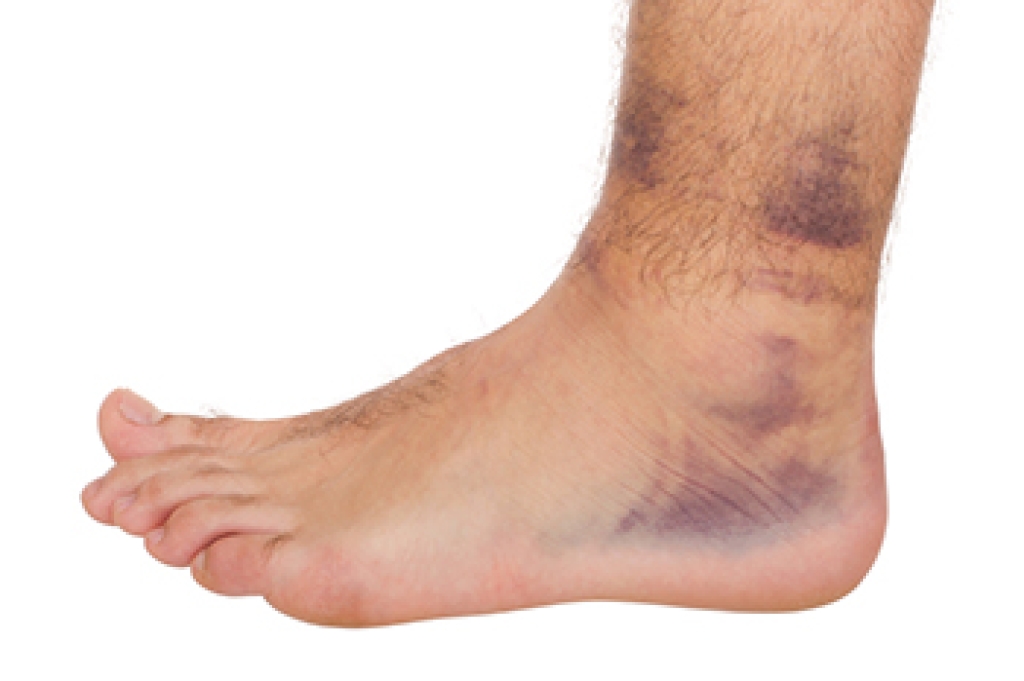
Have your feet inspected by a professional before starting a new sport or physical activity. Taking charge of your foot health will keep you in good physical condition and can help you avoid a potential injury, such as a fracture or sprained ankle.

Prevent injuries and see a foot specialist.

Why Do Cracked Heels Develop?

Cracked heels are a common foot condition in which the skin on the heel becomes dry, thickened, and splits open. This condition develops when the skin loses moisture and elasticity, making it less able to handle pressure from standing and walking. Cracked heels may begin as mild dryness, but can worsen into deep fissures if not properly treated. Understanding the definition of cracked heels helps individuals recognize early signs and take steps to protect their skin health.

Symptoms often include dry, rough skin along the heel, visible cracks, and discomfort while walking. In more advanced cases, the cracks may deepen and cause pain or even bleeding. The surrounding skin may appear flaky or callused, and the heel may feel hard to the touch. These symptoms can interfere with daily movement and increase the risk of infection if the skin barrier is compromised. Recognizing these signs early supports timely care and prevention of complications.


The causes of cracked heels are varied and often involve a combination of lifestyle and health factors. Dry skin, dehydration, and vitamin deficiencies can reduce skin elasticity and contribute to cracking. Prolonged barefoot walking places added pressure on the heel, increasing the risk of skin breakdown. Underlying health issues, such as diabetes or thyroid conditions, may also affect skin health. Risk factors include aging, obesity, poor footwear, and standing for long periods of time. Understanding these contributing factors helps guide prevention and management strategies.


A podiatrist may treat cracked heels by removing thickened skin, recommending medicated creams, and advising proper hydration and foot-care routines. Wearing protective footwear and custom orthotics may also be suggested to reduce pressure on the heels. Regular moisturizing and gentle exfoliation can support healing and prevent recurrence. Early care can improve comfort and restore healthy skin. If you have painful cracked heels, it is suggested that you consult a podiatrist for effective relief and treatment solutions, which may include prescribed medication.

If the skin on your feet starts to crack, you may want to see a podiatrist to find treatment. If you have any concerns, contact Stephen Boykins, DPM from SoCal Podiatry, P.C.. Our doctor can provide the care you need to keep you pain-free and on your feet.

Cracked Heels

It is important to moisturize your cracked heels in order to prevent pain, bleeding, and infection. The reason cracked heels form is because the skin on the foot is too dry to support the immense pressure placed on them. When the foot expands, the dry skin on the foot begins to split.

Ways to Help Heal Them

  • Invest in a good foot cream
  • Try Using Petroleum Jelly
  • Ease up on Soaps
  • Drink Plenty of Water

Ways to Prevent Cracked Heels

  • Moisturize After Showering
  • Skip a Shower
  • Keep Shower Water Lukewarm
  • Don’t Scrub Your Feet

If you are unsure how to proceed in treating cracked heels, seek guidance from a podiatrist. Your doctor will help you with any questions or information you may need. 

If you have any questions, please feel free to contact our offices located in Downey and Moreno Valley, CA . We offer the newest diagnostic and treatment technologies for all your foot care needs.

Read more about Solutions for Cracked Heels

Connect With Us