How Pronation Affects Your Feet

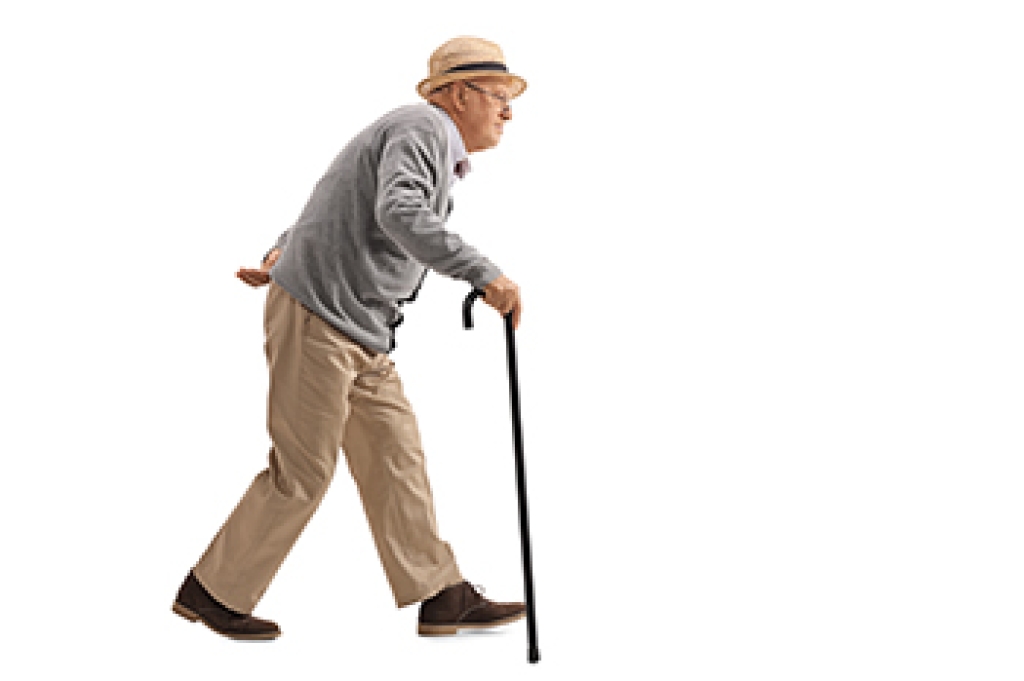
Pronation is the inward roll of the foot during walking that helps absorb shock as the heel meets the ground. In a balanced gait, the arch lowers, weight moves toward the big toe, and the foot becomes stable for push-off. With overpronation, the ankle rolls too far inward and continues moving after it should properly stabilize, placing strain on the big toe, arch, and lower leg. This can contribute to shin splints, tendon irritation, and knee discomfort. Underpronation, or supination, keeps weight along the outer border of the foot and is linked to ankle instability and repetitive stress injuries. A podiatrist can analyze gait and assess alignment. They can also provide medical treatment options and custom orthotic devices to improve stability and reduce harmful pressure on joints and soft tissues. If you regularly have foot pain after activity, it is suggested that you make an appointment with a podiatrist for an exam, diagnosis, and treatment.

If you have any concerns about your feet, contact Stephen Boykins, DPM from SoCal Podiatry, P.C.. Our doctor can provide the care you need to keep you pain-free and on your feet.

Biomechanics in Podiatry

Podiatric biomechanics is a particular sector of specialty podiatry with licensed practitioners who are trained to diagnose and treat conditions affecting the foot, ankle and lower leg. Biomechanics deals with the forces that act against the body, causing an interference with the biological structures. It focuses on the movement of the ankle, the foot and the forces that interact with them.

A History of Biomechanics

  • Biomechanics dates back to the BC era in Egypt where evidence of professional foot care has been recorded.
  • In 1974, biomechanics gained a higher profile from the studies of Merton Root, who claimed that by changing or controlling the forces between the ankle and the foot, corrections or conditions could be implemented to gain strength and coordination in the area.

Modern technological improvements are based on past theories and therapeutic processes that provide a better understanding of podiatric concepts for biomechanics. Computers can provide accurate information about the forces and patterns of the feet and lower legs.

Understanding biomechanics of the feet can help improve and eliminate pain, stopping further stress to the foot.

If you have any questions please feel free to contact our offices located in Downey and Moreno Valley, CA . We offer the newest diagnostic and treatment technologies for all your foot and ankle needs.

Read more about Biomechanics in Podiatry

Causes of Toenail Pain

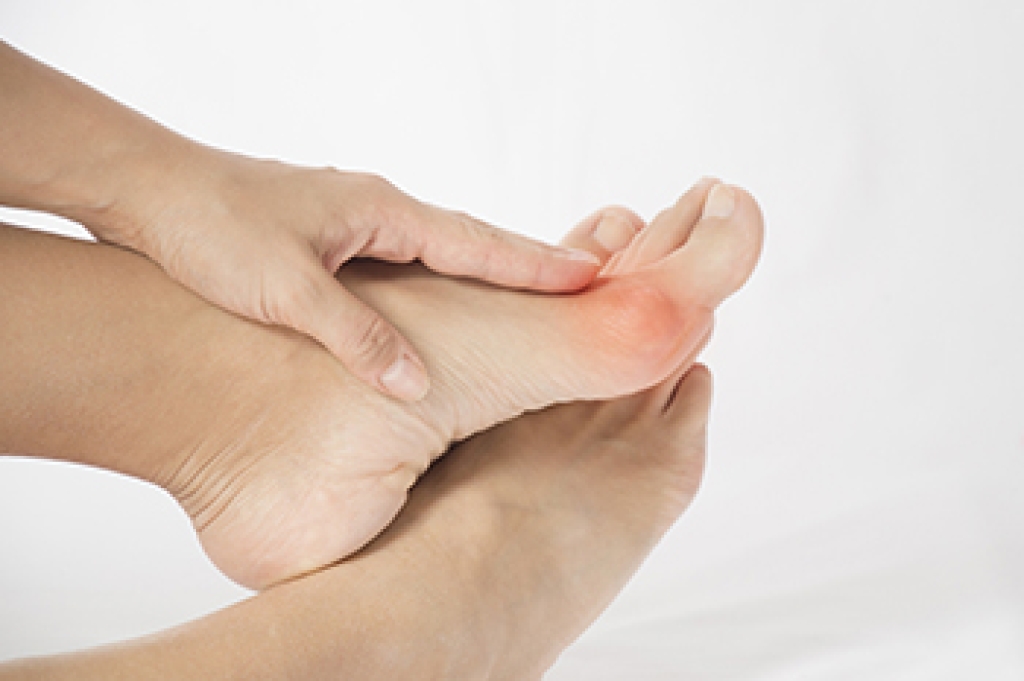
Toenail pain can range from mild irritation to discomfort that makes walking or wearing shoes difficult. One common cause is an ingrown toenail, which occurs when the nail edge grows into surrounding skin, leading to redness, swelling, and tenderness, often in the big toe. Fungal nail infections are another frequent source of toenail pain and may cause thickening, discoloration, brittleness, or separation from the nail bed. Trauma can also result in toenail pain from sudden injuries or repeated pressure within footwear, sometimes causing bruising beneath the nail or loosening of the nail plate. A podiatrist can determine the cause through an exam and testing, then provide treatment to reduce pain, address infection, manage nail damage, and prevent complications. If you are experiencing toenail pain that interferes with daily activities, it is suggested that you make an appointment with a podiatrist for an exam, diagnosis, and treatment.

Toe pain can disrupt your daily activities. If you have any concerns, contact Stephen Boykins, DPM of SoCal Podiatry, P.C.. Our doctor can provide the care you need to keep you pain-free and on your feet.

What Causes Toe Pain?

Most severe toe pain is caused due to a sports injury, trauma from dropping something heavy on the toe, or bumping into something rigid. Other problems can develop over time for various reasons.

Toe pain can be caused by one or more ailments. The most common include:

  • Trauma
  • Sports injury
  • Wearing shoes that are too tight
  • Arthritis
  • Gout
  • Corns and calluses
  • Hammertoe
  • Bunions
  • Blisters
  • Ingrown toenails
  • Sprains
  • Fractures (broken bones)
  • Dislocations

When to See a Podiatrist

  • Severe pain
  • Persistent pain that lasts more than a week
  • Signs of infection
  • Continued swelling
  • Pain that prevents walking

Diagnosis

In many cases the cause of toe pain is obvious, but in others, a podiatrist may want to use more advanced methods to determine the problem. These can range from simple visual inspections and sensation tests to X-rays and MRI scans. Prior medical history, family medical history, and any recent physical traumatic events will all be taken into consideration for a proper diagnosis.

Treatment

Treatments for toe pain and injuries vary and may include shoe inserts, padding, taping, medicines, injections, and in some cases, surgery. If you believe that you have broken a toe, please see a podiatrist as soon as possible.

If you have any questions please contact our offices located in Downey and Moreno Valley, CA . We offer the newest diagnostic and treatment technologies for all your foot and ankle needs.

Read more about Toe Pain

Volleyball Ankle Sprains and Podiatric Care

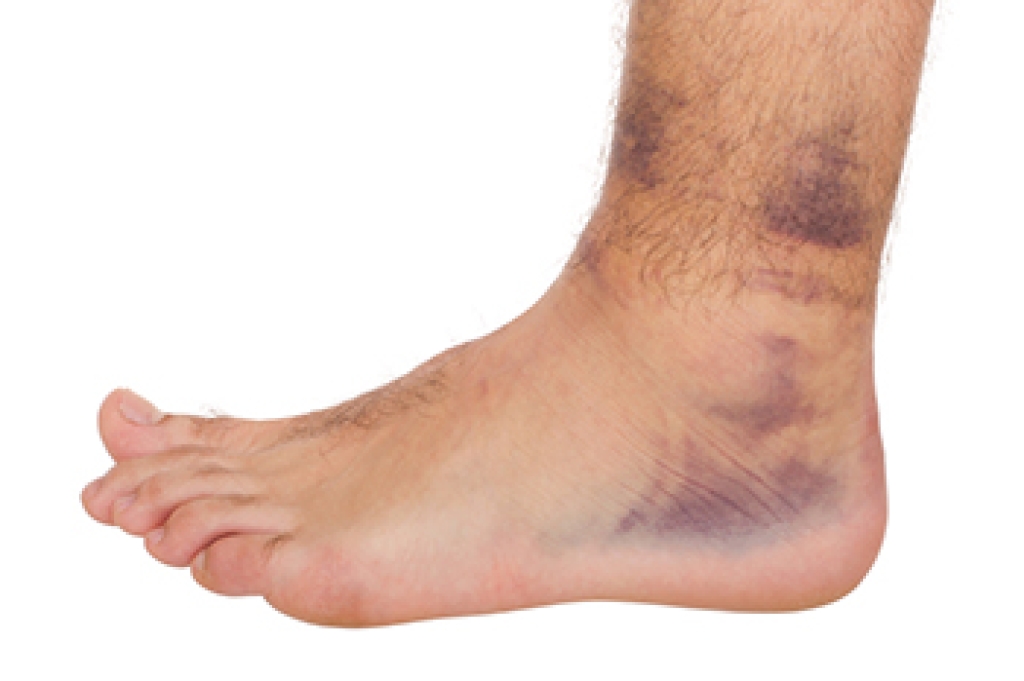
A sprained ankle in volleyball is a common injury caused by landing awkwardly from a jump or quickly changing direction on the court. It occurs when the ligaments that support the ankle are stretched or torn beyond their normal range. A first-degree sprain involves mild stretching of the ligaments with slight pain and swelling. A second-degree sprain includes partial tearing leading to increased pain, swelling, and instability. Additionally, a third-degree sprain is a complete ligament tear causing significant pain, swelling, and loss of ankle support. A podiatrist can help by accurately diagnosing the severity, providing proper treatment, and guiding rehabilitation to restore strength and stability. If you have sprained an ankle while playing volleyball, it is suggested that you consult a podiatrist who can offer the best treatment for you, enabling you to return to playing again as soon as possible.

Ankle and foot injuries are common among athletes and in many sports. They can be caused by several problems and may be potentially serious. If you are feeling pain or think you were injured in a sporting event or when exercising, consult with Stephen Boykins, DPM from SoCal Podiatry, P.C.. Our doctor will assess your condition and provide you with quality foot and ankle treatment.

Common Injuries

The most common injuries that occur in sporting activities include:

  • Achilles Tendonitis
  • Achilles Tendon Rupture
  • Ankle Sprains
  • Broken Foot
  • Plantar Fasciitis
  • Stress Fractures
  • Turf Toe

Symptoms

Symptoms vary depending upon the injury and in some cases, there may be no symptoms at all. However, in most cases, some form of symptom is experienced. Pain, aching, burning, bruising, tenderness, tightness or stiffness, sensation loss, difficulty moving, and swelling are the most common symptoms.

Treatment

Just as symptoms vary depending upon the injury, so do treatment options. A common treatment method is known as the RICE method. This method involves rest, applying ice, compression and elevating the afflicted foot or ankle. If the injury appears to be more serious, surgery might be required, such as arthroscopic or reconstructive surgery. Lastly, rehabilitation or therapy might be needed to gain full functionality in the afflicted area. Any discomfort experienced by an athlete must be evaluated by a licensed, reputable medical professional.  

If you have any questions please contact our offices located in Downey and Moreno Valley, CA . We offer the newest diagnostic and treatment technologies for all your foot and ankle needs.

Read more about Sports Related Foot and Ankle Injuries

Identifying Toenail Fungus

Toenail fungus develops when fungi enter the nail through small cracks, often thriving in warm, moist environments. It may begin subtly, but symptoms can progress to discoloration, thickening, and changes in nail shape. Many people notice yellow or white streaks, brittle texture, or debris under the nail. The affected nail may look dull, misshapen, or crumbly, and while it is sometimes painless, it can also feel tender, uncomfortable, or sensitive to pressure as it thickens. Causes include prolonged moisture exposure, tight footwear, nail injuries, or walking barefoot in shared areas like locker rooms. A podiatrist can help by starting with a thorough examination and testing to confirm the diagnosis, since nail changes can mimic other conditions. Treatment may begin with topical therapies and nail care, and progress to oral medications, or targeted procedures depending on severity and response. If you have toenail fungus, it is suggested that you make an appointment with a podiatrist.

For more information about treatment, contact Stephen Boykins, DPM of SoCal Podiatry, P.C.. Our doctor can provide the care you need to keep you pain-free and on your feet.

Toenail Fungus Treatment

Toenail fungus is a condition that affects many people and can be especially hard to get rid of. Fortunately, there are several methods to go about treating and avoiding it.

Antifungals & Deterrence

Oral antifungal medicine has been shown to be effective in many cases. It is important to consult with a podiatrist to determine the proper regiment for you, or potentially explore other options.

Applying foot powder on the feet and shoes helps keep the feet free of moisture and sweat.

Sandals or open toed shoes – Wearing these will allow air movement and help keep feet dry. They also expose your feet to light, which fungus cannot tolerate. Socks with moisture wicking material also help as well.

If you have any questions please contact our offices located in Downey and Moreno Valley, CA . We offer the newest diagnostic and treatment technologies for all your foot and ankle needs.

Read more about Treating Toenail Fungus

Do Your Child's Feet Hurt?

Have your child's feet been examined lately? Healthy feet are happy feet. If your child is complaining of foot pain, it may be a sign of underlying problems.

Connect With Us