
Volleyball Ankle Sprains and Podiatric Care

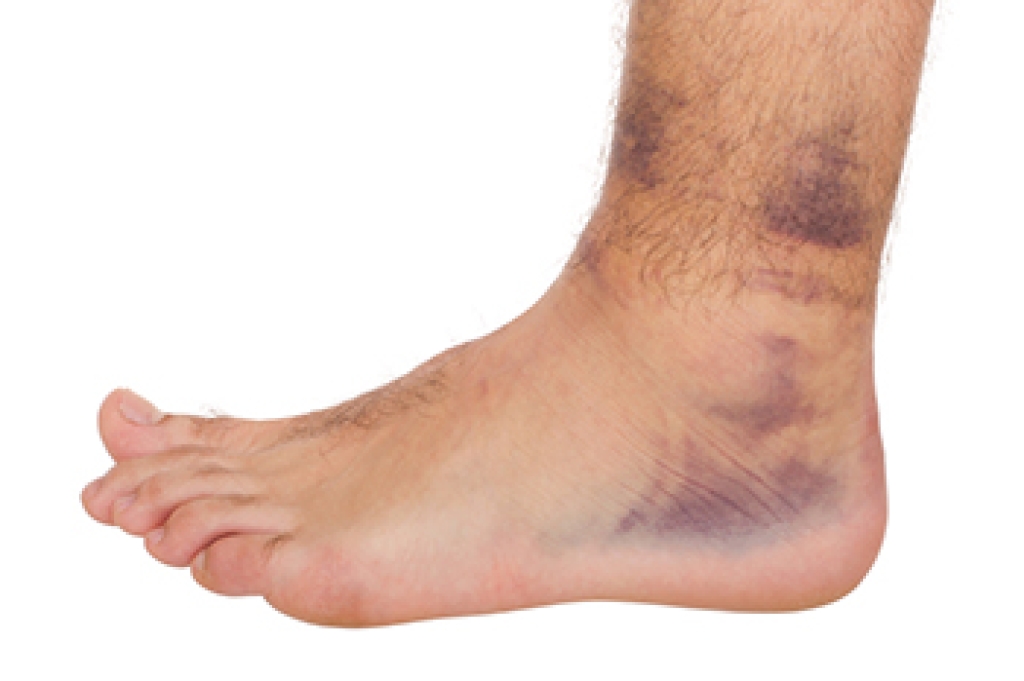
A sprained ankle in volleyball is a common injury caused by landing awkwardly from a jump or quickly changing direction on the court. It occurs when the ligaments that support the ankle are stretched or torn beyond their normal range. A first-degree sprain involves mild stretching of the ligaments with slight pain and swelling. A second-degree sprain includes partial tearing leading to increased pain, swelling, and instability. Additionally, a third-degree sprain is a complete ligament tear causing significant pain, swelling, and loss of ankle support. A podiatrist can help by accurately diagnosing the severity, providing proper treatment, and guiding rehabilitation to restore strength and stability. If you have sprained an ankle while playing volleyball, it is suggested that you consult a podiatrist who can offer the best treatment for you, enabling you to return to playing again as soon as possible.

Ankle and foot injuries are common among athletes and in many sports. They can be caused by several problems and may be potentially serious. If you are feeling pain or think you were injured in a sporting event or when exercising, consult with Stephen Boykins, DPM from SoCal Podiatry, P.C.. Our doctor will assess your condition and provide you with quality foot and ankle treatment.

Common Injuries

The most common injuries that occur in sporting activities include:

  • Achilles Tendonitis
  • Achilles Tendon Rupture
  • Ankle Sprains
  • Broken Foot
  • Plantar Fasciitis
  • Stress Fractures
  • Turf Toe

Symptoms

Symptoms vary depending upon the injury and in some cases, there may be no symptoms at all. However, in most cases, some form of symptom is experienced. Pain, aching, burning, bruising, tenderness, tightness or stiffness, sensation loss, difficulty moving, and swelling are the most common symptoms.

Treatment

Just as symptoms vary depending upon the injury, so do treatment options. A common treatment method is known as the RICE method. This method involves rest, applying ice, compression and elevating the afflicted foot or ankle. If the injury appears to be more serious, surgery might be required, such as arthroscopic or reconstructive surgery. Lastly, rehabilitation or therapy might be needed to gain full functionality in the afflicted area. Any discomfort experienced by an athlete must be evaluated by a licensed, reputable medical professional.  

If you have any questions please contact our offices located in Downey and Moreno Valley, CA . We offer the newest diagnostic and treatment technologies for all your foot and ankle needs.

Read more about Sports Related Foot and Ankle Injuries

Identifying Toenail Fungus

Toenail fungus develops when fungi enter the nail through small cracks, often thriving in warm, moist environments. It may begin subtly, but symptoms can progress to discoloration, thickening, and changes in nail shape. Many people notice yellow or white streaks, brittle texture, or debris under the nail. The affected nail may look dull, misshapen, or crumbly, and while it is sometimes painless, it can also feel tender, uncomfortable, or sensitive to pressure as it thickens. Causes include prolonged moisture exposure, tight footwear, nail injuries, or walking barefoot in shared areas like locker rooms. A podiatrist can help by starting with a thorough examination and testing to confirm the diagnosis, since nail changes can mimic other conditions. Treatment may begin with topical therapies and nail care, and progress to oral medications, or targeted procedures depending on severity and response. If you have toenail fungus, it is suggested that you make an appointment with a podiatrist.

For more information about treatment, contact Stephen Boykins, DPM of SoCal Podiatry, P.C.. Our doctor can provide the care you need to keep you pain-free and on your feet.

Toenail Fungus Treatment

Toenail fungus is a condition that affects many people and can be especially hard to get rid of. Fortunately, there are several methods to go about treating and avoiding it.

Antifungals & Deterrence

Oral antifungal medicine has been shown to be effective in many cases. It is important to consult with a podiatrist to determine the proper regiment for you, or potentially explore other options.

Applying foot powder on the feet and shoes helps keep the feet free of moisture and sweat.

Sandals or open toed shoes – Wearing these will allow air movement and help keep feet dry. They also expose your feet to light, which fungus cannot tolerate. Socks with moisture wicking material also help as well.

If you have any questions please contact our offices located in Downey and Moreno Valley, CA . We offer the newest diagnostic and treatment technologies for all your foot and ankle needs.

Read more about Treating Toenail Fungus

Do Your Child's Feet Hurt?

Have your child's feet been examined lately? Healthy feet are happy feet. If your child is complaining of foot pain, it may be a sign of underlying problems.

The Slow Shift at the Big Toe

Bunions often develop gradually, starting as a small bump at the base of the big toe and slowly changing the shape of the foot. The bunion looks like a bony prominence forming as the toe pushes inward, and it may appear red or swollen. It can feel tender, stiff, or painful, especially when wearing tight shoes or walking long distances. Common causes include inherited foot structure, arthritis, and footwear that crowds the toes. A podiatrist begins with a careful exam and imaging when needed to confirm the diagnosis and assess joint alignment. Treatment may involve custom orthotics to improve support, padding, or shoe modifications to reduce pressure, and targeted exercises to maintain flexibility. In more advanced cases, surgical options may be discussed. Early care can slow progression and improve comfort. If you have a bunion, it is suggested that you make an appointment with a podiatrist.

If you are suffering from bunions, contact Stephen Boykins, DPM of SoCal Podiatry, P.C.. Our doctor can provide the care you need to keep you pain-free and on your feet.

What Is a Bunion?

A bunion is formed of swollen tissue or an enlargement of boney growth, usually located at the base joint of the toe that connects to the foot. The swelling occurs due to the bones in the big toe shifting inward, which impacts the other toes of the foot. This causes the area around the base of the big toe to become inflamed and painful.

Why Do Bunions Form?

Genetics – Susceptibility to bunions are often hereditary

Stress on the feet – Poorly fitted and uncomfortable footwear that places stress on feet, such as heels, can worsen existing bunions

How Are Bunions Diagnosed?

Podiatrists often perform two tests – blood tests and x-rays – when trying to diagnose bunions, especially in the early stages of development. Blood tests help determine if the foot pain is being caused by something else, such as arthritis, while x-rays provide a clear picture of your bone structure to your provider.

How Are Bunions Treated?

  • Refrain from wearing heels or similar shoes that cause discomfort
  • Select wider shoes that can provide more comfort and reduce pain
  • Anti-inflammatory and pain management drugs
  • Orthotics or foot inserts
  • Surgery

If you have any questions, please feel free to contact our offices located in Downey and Moreno Valley, CA . We offer the newest diagnostic and treatment technologies for all your foot care needs.

Read more about Bunions

Non-Diabetes-Related Foot Ulcers

A non-diabetes-related foot ulcer is an open sore on the foot that develops from factors other than diabetes. These ulcers often form due to poor circulation, pressure, trauma, or underlying skin conditions. Common causes include arterial disease, venous insufficiency, friction from footwear, and repetitive stress. Types of non diabetes related ulcers may include arterial ulcers, venous ulcers, and pressure ulcers, each affecting the foot in different ways. Symptoms can include slow healing wounds, drainage, redness, pain, or skin breakdown. A podiatrist can identify the type and cause of the ulcer, provide proper wound care, improve pressure distribution, and help prevent infection or further tissue damage. If you notice a sore on your foot that does not heal or worsens over time, it is strongly suggested that you schedule an appointment with a podiatrist for an evaluation and expert care.

Wound care is an important part in dealing with diabetes. If you have diabetes and a foot wound or would like more information about wound care for diabetics, consult with Stephen Boykins, DPM from SoCal Podiatry, P.C.. Our doctor will assess your condition and provide you with quality foot and ankle treatment.

What Is Wound Care?

Wound care is the practice of taking proper care of a wound. This can range from the smallest to the largest of wounds. While everyone can benefit from proper wound care, it is much more important for diabetics. Diabetics often suffer from poor blood circulation which causes wounds to heal much slower than they would in a non-diabetic. 

What Is the Importance of Wound Care?

While it may not seem apparent with small ulcers on the foot, for diabetics, any size ulcer can become infected. Diabetics often also suffer from neuropathy, or nerve loss. This means they might not even feel when they have an ulcer on their foot. If the wound becomes severely infected, amputation may be necessary. Therefore, it is of the upmost importance to properly care for any and all foot wounds.

How to Care for Wounds

The best way to care for foot wounds is to prevent them. For diabetics, this means daily inspections of the feet for any signs of abnormalities or ulcers. It is also recommended to see a podiatrist several times a year for a foot inspection. If you do have an ulcer, run the wound under water to clear dirt from the wound; then apply antibiotic ointment to the wound and cover with a bandage. Bandages should be changed daily and keeping pressure off the wound is smart. It is advised to see a podiatrist, who can keep an eye on it.

If you have any questions please contact our offices located in Downey and Moreno Valley, CA . We offer the newest diagnostic and treatment technologies for all your foot and ankle needs.

Read more about Wound Care

Connect With Us