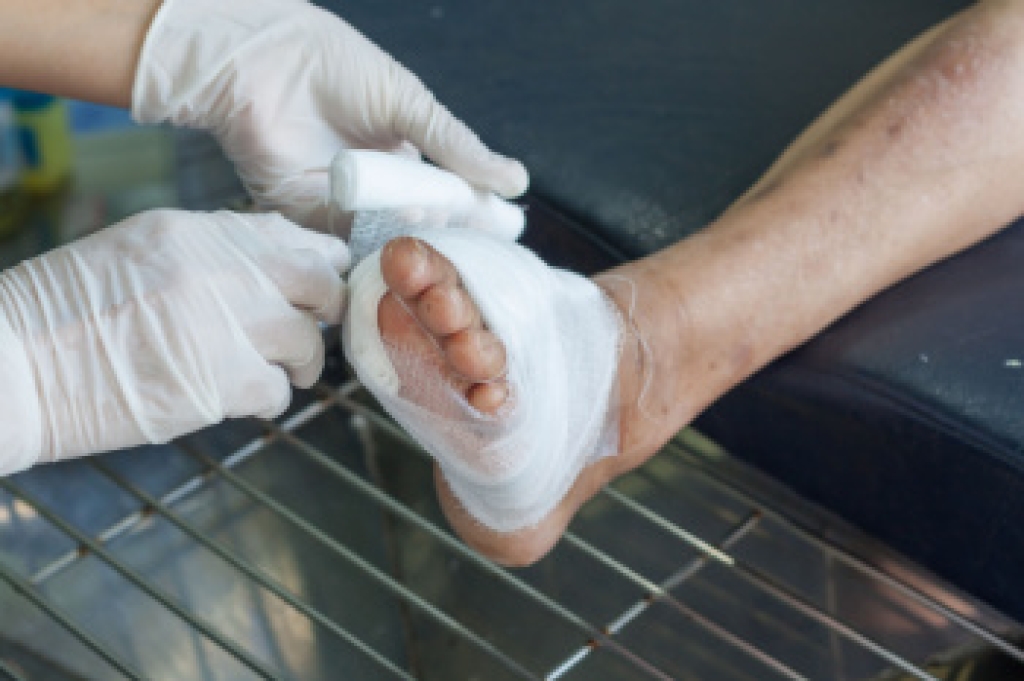
Diabetic limb salvage focuses on treating serious foot and lower-limb complications with the goal of preserving as much healthy tissue and function as possible. Diabetes can damage nerves and reduce circulation to the feet, making injuries harder to notice and slower to heal. A small wound can sometimes develop into a diabetic foot ulcer or serious infection. When these problems progress, tissue damage may place the foot or limb at risk. Limb-salvage care brings together careful wound management, infection treatment, and evaluation of blood flow. Early professional attention is important because timely treatment may improve healing and reduce the risk of limb loss.
Several factors can make diabetic foot wounds more difficult to treat. Nerve damage may reduce sensation, while poor circulation can limit the oxygen and nutrients needed for healing. Infection can further damage tissue and may spread if it is not treated promptly. A diabetic limb-salvage evaluation focuses on the wound and the overall condition of the foot. Depending on the situation, additional testing may be needed to evaluate circulation or determine whether infection has reached deeper tissues. More advanced cases may require coordinated care from multiple medical specialists to protect the patient’s health and preserve function.
A podiatrist plays an important role in diabetic limb salvage by identifying and treating foot problems before they become more severe. Podiatric care may include professional wound treatment, removal of damaged tissue, or methods to reduce pressure on vulnerable areas. A podiatrist can also monitor healing and work with vascular or other specialists when circulation problems require additional care. Treatment is based on the severity of the wound and the patient’s overall health. The goal is to control complications, support healing, and preserve mobility whenever possible. If you have diabetes and develop a non-healing wound, infection, or concerning changes in your foot, it is suggested that you consult a podiatrist for an evaluation and appropriate treatment options.
Diabetic Limb Salvage
Diabetic limb salvage can be an effective way in preventing the need for limb amputation. If you have a foot ulcer and diabetes, consult with Stephen Boykins, DPM from SoCal Podiatry, P.C.. Our doctor will assess your condition and provide you with quality foot and ankle treatment.
What Is Diabetic Limb Salvage?
Diabetic limb salvage is the attempt of saving a limb, such as the foot, that has an infected ulcer, from amputation. Podiatrists also try to make sure that there is enough function in the foot after the salvage that it is still usable. Those with diabetes experience poor blood circulation, which prevents proper healing of an ulcer. If the ulcer is left uncheck, it could become infected, which could result in the need for amputation.
Diabetes is the number one cause of non-traumatic amputations in the United States. Amputation has been found to lead to higher mortality rates. This translates into higher healthcare costs, and a reduced quality of life and mobility for amputees. Podiatrists have attempted to increase the prevalence of limb salvage in an attempt to solve these issues.
Diagnosis and Treatment
Limb salvage teams have grown in recent years that utilize a number of different treatments to save the infected limb. This includes podiatrists that specialize in wound care, rehabilitation, orthotics, and surgery. Through a combination of these methods, limb salvage has been found to be an effective treatment for infected limbs, and as an alternative to amputation. Podiatrists will first evaluate the potential for limb salvage and determine if the limb can be saved or must be amputated.
If you have any questions, please feel free to contact our offices located in Downey and Moreno Valley, CA . We offer the newest diagnostic and treatment technologies for all your foot care needs.
